
Lincoln County Criminal Court Files
A Lincoln County criminal court record is the case file kept by the Clerk of Superior Court once a criminal matter reaches court. It may begin with a warrant, citation, summons, magistrate order, indictment, information, or other charging instrument. From that point forward, the court file becomes the official place to track arraignment, hearing dates, motions, pleas, orders, trial entries, dispositions, sentencing, probation conditions, restitution, fines, costs, and appeals. Arrest data and jail custody status may help identify a person, but the court record is the source for the criminal case outcome.
Lincoln County is part of North Carolina Prosecutorial District 39, Superior Court District 39, and District Court District 39. Superior Court handles felony criminal cases and appeals from District Court. District Court handles misdemeanors, infractions, many first appearances, and magistrate-related criminal functions. Magistrates may issue criminal warrants, set initial release conditions, and handle some minor waivers or pleas. A full criminal file can therefore contain entries from several parts of the same state court system.
The District Attorney for District 39 prosecutes criminal cases for Lincoln and Cleveland counties, while the Public Defender for Defender District 39 represents eligible defendants. Those offices are important in the case flow, but ordinary copies of public criminal court records come from Portal access, clerk terminals, or the Lincoln County Clerk of Superior Court.
The District Attorney lookup is one of the official sources used to confirm Lincoln County criminal prosecution channels.
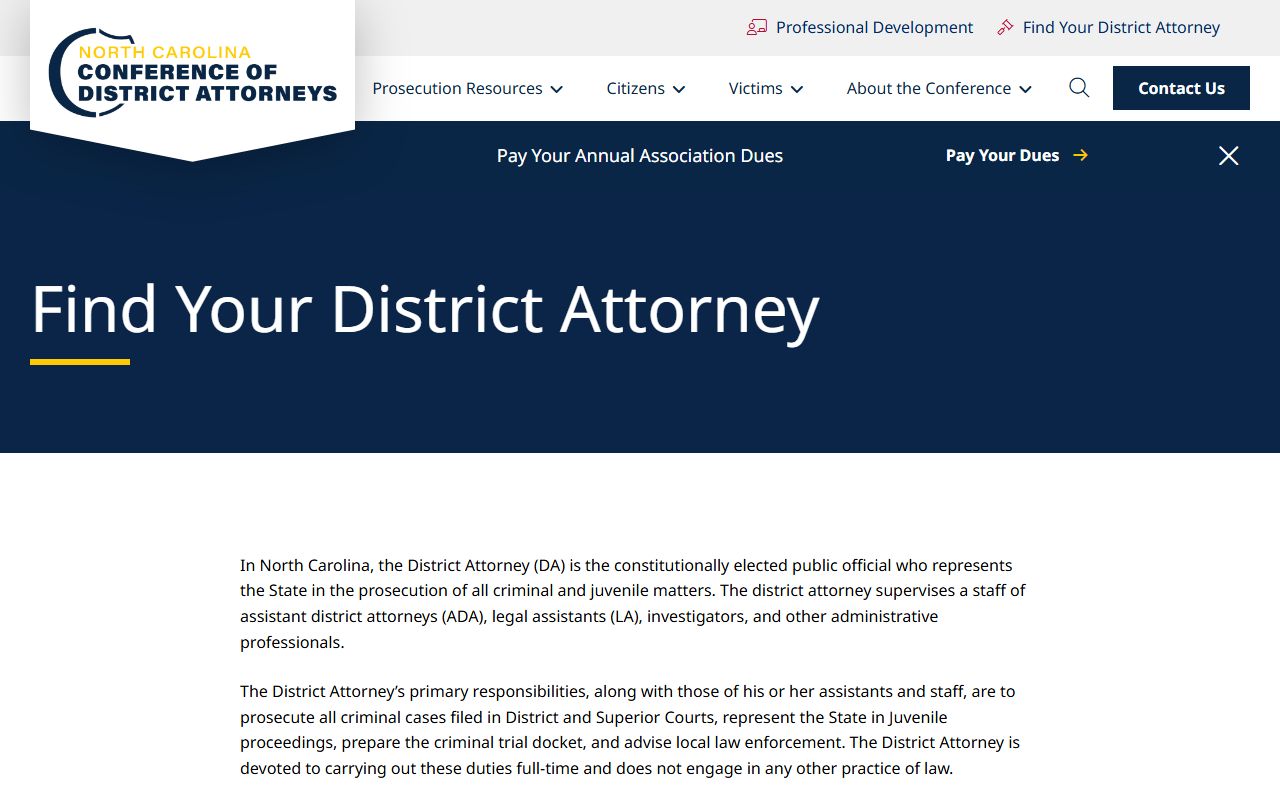
The lookup helps place Lincoln County criminal cases in Prosecutorial District 39 rather than a separate county prosecutor system.
Search Lincoln County Criminal Records
Online criminal case access starts with the North Carolina eCourts Portal. Public users can use Smart Search for case information, Search Hearings for court dates, Make Payments for eligible fines and costs, and Judgment Search for judgment-index data. Anonymous public searching is available for public information. Registration is optional for features such as My Cases, and elevated access is limited to users with a verified statutory need.
- Open Portal Smart Search and enter a defendant name or case number. Name guidance uses Last, First Middle Suffix format.
- Filter location to Lincoln County when narrowing a local criminal case.
- Use case type, case status, file-date range, and party fields when a common name returns too many results.
- Open the case summary or register of actions to review events, hearings, dispositions, and financial entries that are public.
- For copies, certified records, older files, or missing documents, contact the Lincoln County Clerk of Superior Court instead of relying on Portal alone.
In-person access remains important. The public self-service terminal at the clerk's office can be searched for criminal cases by defendant name, case number, or victim/witness name. Paper files are requested from the clerk in the county where the case is located. A certified single-county criminal background check is requested through the Clerk of Superior Court with form AOC-CR-314 and the NC Courts listed $25 fee. That certified search is county-specific, not statewide.
The NC IDS Lincoln County page identifies the local public defender office used in current Lincoln County criminal cases.
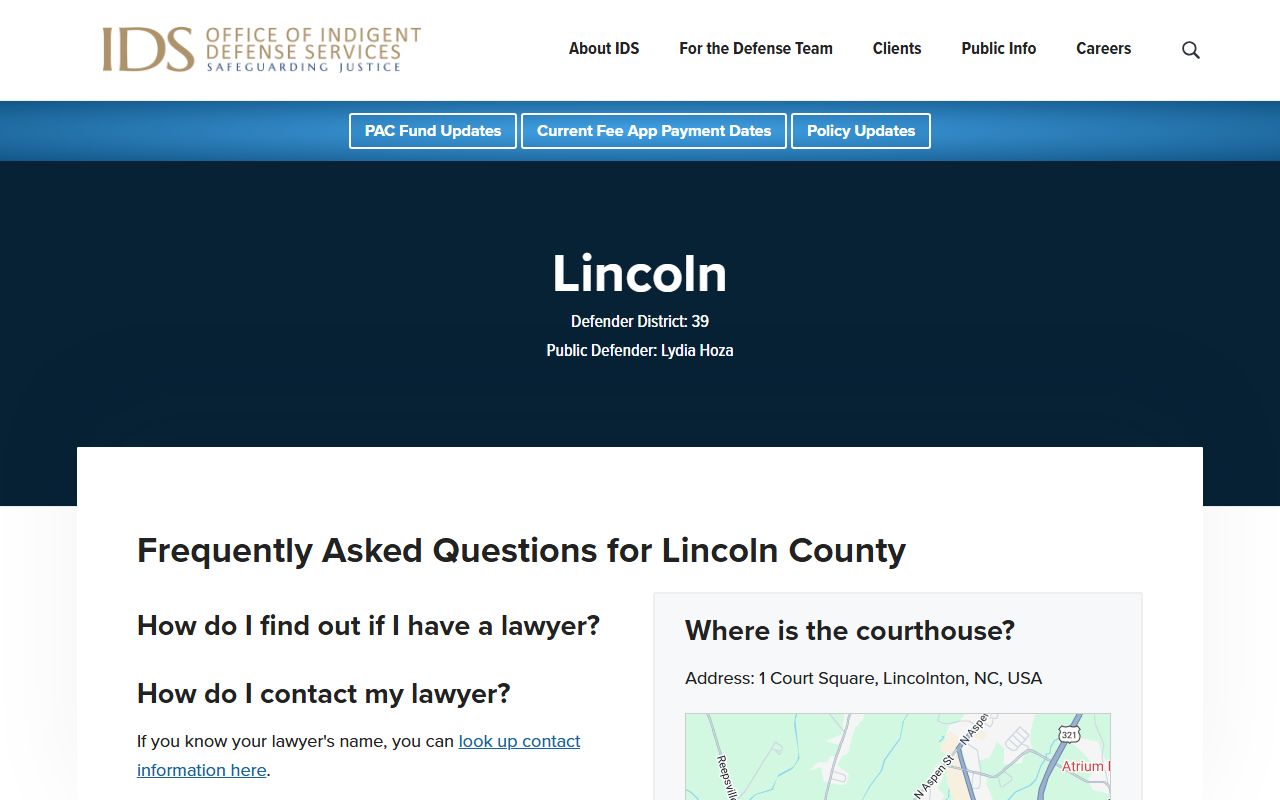
That source helps distinguish defense representation from the clerk records channel, which is where public case copies are requested.
Lincoln County Criminal Case Flow
Criminal case records are built in stages. A charge may start with a citation, warrant, criminal summons, indictment, or other charging paper. After that, the record may show an initial appearance, arraignment or first setting, pretrial motions, hearings, plea negotiations, trial settings, a plea or verdict, disposition, and sentencing. Some entries are brief docket events. Others are orders, judgments, conditions of release, or payment records.
Case flow: Charges Filed › Arraignment › Pretrial / Motions › Plea or Trial › Disposition › Sentencing
| Stage | What the Lincoln County record may show |
|---|---|
| Charges Filed | Offense name, statute or code, count, offense date, court level, case number, and charging document type. |
| Arraignment or First Setting | Defendant appearance, counsel status, plea entry when recorded, bond or release conditions, and the next date. |
| Pretrial / Motions | Motions, continuances, discovery-related entries, orders, hearing notices, and calendar changes. |
| Plea or Trial | Plea, verdict, dismissed counts, amended charges, trial result, or other outcome entered by the court. |
| Disposition and Sentence | Judgment, sentence, probation, fines, court costs, restitution, payment status, and appeal entries where applicable. |
Federal charges do not use the North Carolina eCourts Portal. Lincoln County is in the Statesville Division of the U.S. District Court for the Western District of North Carolina, and federal criminal dockets are accessed through federal systems such as PACER.
The WDNC jurisdiction page confirms the federal court division that covers Lincoln County.
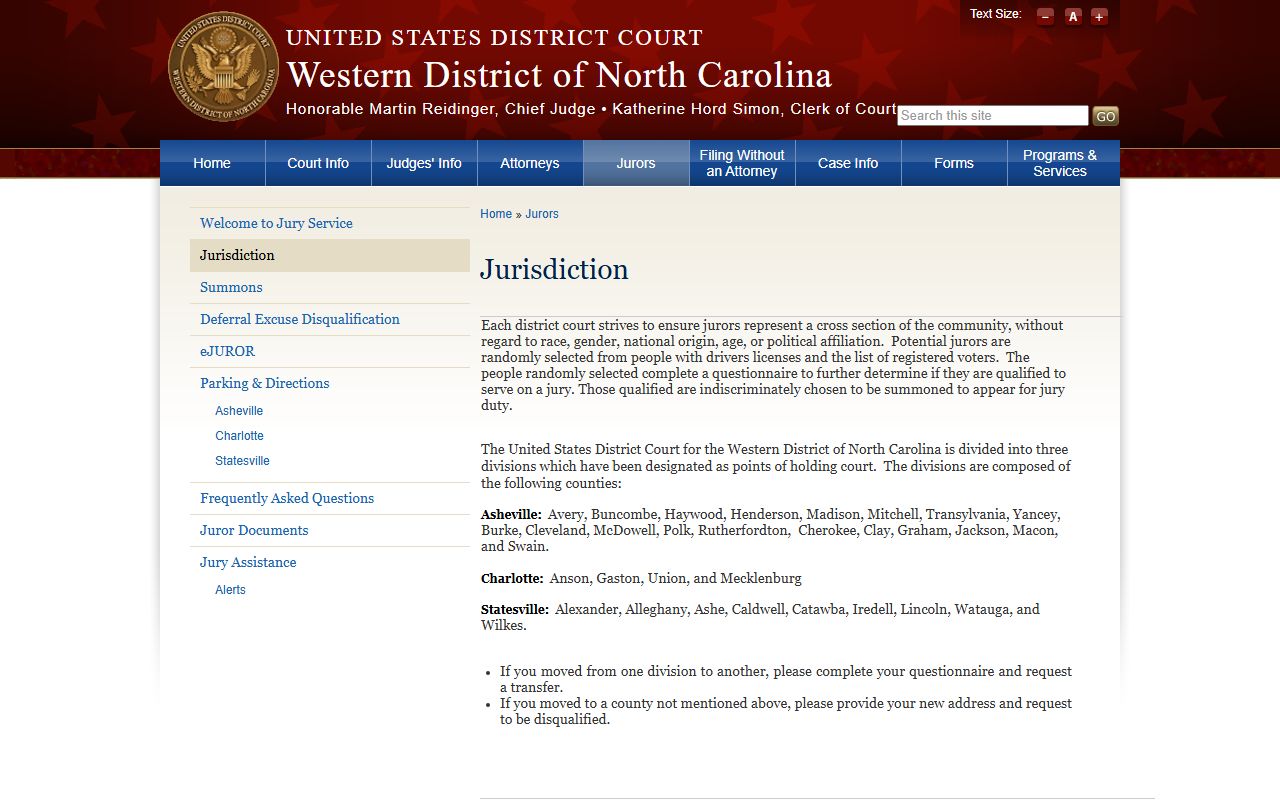
This matters when a record seeker is trying to decide whether a case belongs in state criminal court records or federal records.
What Lincoln County Criminal Records Show
The Portal training inventory and court-record research show that criminal case summaries can include case information, party information, events, hearings, dispositions, financial information, and documents when public access is allowed. The case number format may use year, case type letters, sequence number, and county identifier, such as the official Enterprise Justice example 21CR000003-910. Not every file has every field visible online.
| Field | What It Shows |
|---|---|
| Case Number | The Enterprise Justice case identifier, including year, case type, sequence, and county identifier where used. |
| Court and Location | Lincoln County, Superior Court or District Court, and sometimes courtroom or session details. |
| Defendant and Counsel | Party names, role, attorney name, bar number, and active or inactive status when visible. |
| Charges | Offense name, statute, class, count number, offense date, and later charge amendments or dispositions. |
| Events and Hearings | Filings, motions, orders, continuances, hearing dates, hearing results, and docket activity. |
| Disposition and Sentence | Dismissal, conviction, plea, verdict, probation, jail or prison terms, restitution, fines, costs, and appeal entries. |
| Financial Information | Court costs, fines, restitution, attorney fees, probation fees, payment eligibility, and balance data when public. |
Portal is not the only channel. Criminal documents that are not visible online, older paper files, certified copies, and certified single-county background checks still route through the Clerk of Superior Court. The Clerk is at the Lincoln County Courthouse, 120 Justice Drive, Lincolnton, NC 28092, and the official courthouse page lists regular public hours as Monday through Friday, 8:30 a.m. to 5:00 p.m.
Charges and Convictions Compared
A Lincoln County criminal record can show both accusations and final outcomes. A charge is the accusation filed in court. A conviction is a judgment of guilt after a guilty plea, responsible finding where applicable, or trial verdict. A dismissed charge, reduced charge, not guilty verdict, or deferred outcome should not be read as the same thing as a conviction. For a closer look at the arrest-to-charge path, use the Lincoln County arrest records and court charges page.
| Point | Charge | Conviction |
|---|---|---|
| Meaning | A formal accusation entered in court. | A finding of guilt after plea or trial. |
| Record Timing | Appears before the case is resolved. | Appears after judgment or disposition. |
| Outcome Risk | May be amended, reduced, dismissed, or superseded. | May trigger sentence, costs, probation, driver consequences, or appeal rights. |
| How to Verify | Read the charge list and status. | Read the disposition, judgment, sentence, and later events. |
For consumer reporting, employment, housing, credit, tenant, or insurance decisions, casual public searches are not a substitute for a lawful FCRA-compliant background process. Court records should be checked against the originating clerk and current case status before any serious use.
Lincoln County Criminal Record Access
North Carolina law treats court records and law-enforcement investigation records differently. N.C. Gen. Stat. 7A-109 requires clerks to keep court records, files, dockets, and indexes and makes them open during regular office hours unless another law restricts access. N.C. Gen. Stat. 132-1 defines public records broadly, while N.C. Gen. Stat. 132-6 addresses inspection and copies.
Note: A public criminal court file is not the same as a sheriff investigative file, which may be limited by separate law.
N.C. Gen. Stat. 132-1.4 is the key limit for criminal investigation and intelligence records. It explains why a sheriff report, open investigation, body-camera item, or intelligence record may not be released the same way a public court docket is released. That distinction is central in Lincoln County because sheriff P2C tools, arrest pages, jail records, and court files serve different purposes.
The criminal investigation records statute is a direct source for limits on sheriff-side records tied to criminal matters.
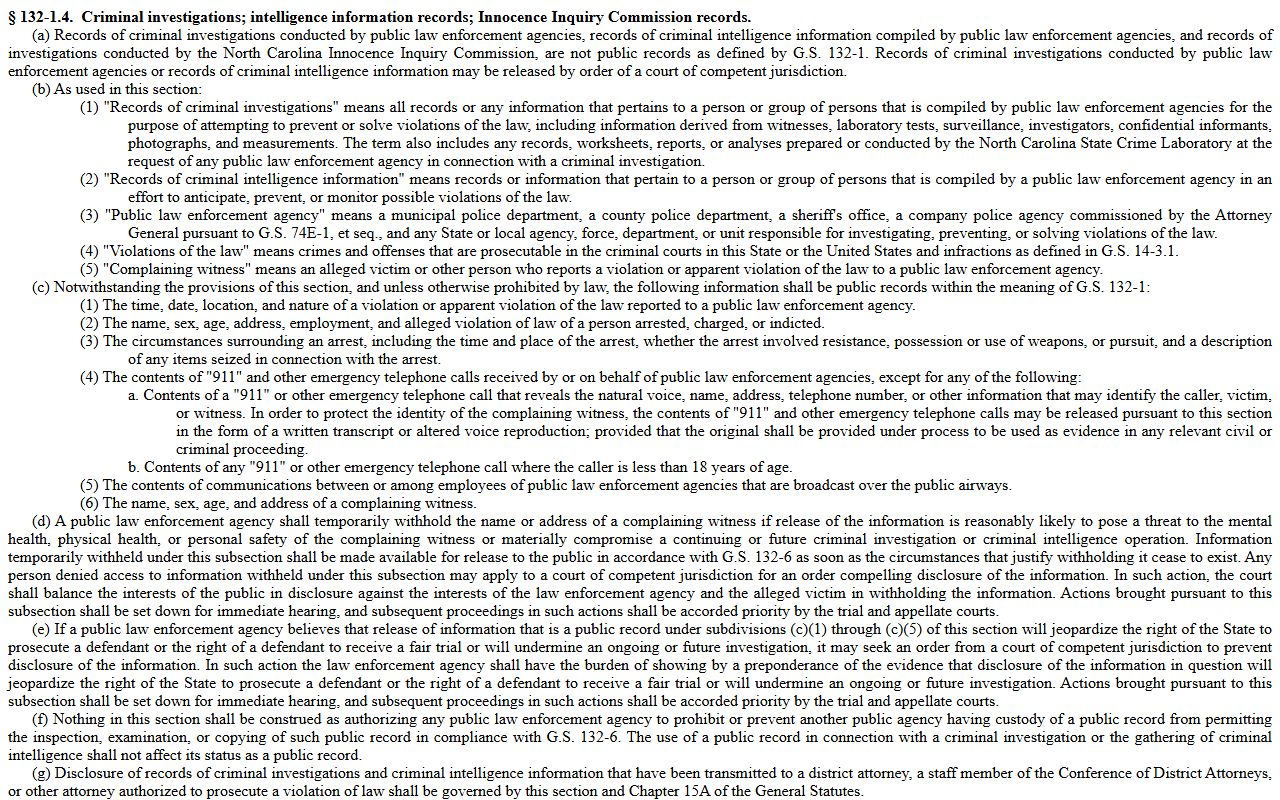
That limit does not erase public court access, but it explains why an investigation file may be withheld while the court docket remains searchable.
Restricted Lincoln County Criminal Records
Some Lincoln County criminal record material is not public even when the case relates to a criminal event. Juvenile delinquency and undisciplined records are restricted under N.C. Gen. Stat. 7B-3000. Adoption, mental health, protected identifying information, confidential addresses, victim information, and sealed documents may also be withheld or redacted. Public users should expect Portal to block restricted case types and non-public documents.
Expunction is different from ordinary sealing. N.C. Gen. Stat. 15A-151 makes expunction files confidential and treats expunged court records retained by clerks as confidential files. Eligibility depends on the charge, outcome, wait period, conviction history, and the specific expunction statute. A granted expunction may remove public entries from court and agency records, but it is not a promise that every collateral effect disappears.
| Point | Sealed or Restricted | Expunged |
|---|---|---|
| Public Visibility | Hidden or limited by statute, court order, or case type. | Removed from public access after a qualifying court order. |
| Record Custody | May still exist in court or agency systems with limited access. | Confidential expunction files may be retained as allowed by law. |
| Common Examples | Juvenile, mental health, protected victim data, sealed filings. | Qualifying arrests, dismissals, or convictions if a court grants relief. |
| How to Confirm | Ask the clerk or court about access rules for that case type. | Review the expunction order or speak with counsel. |
The expunction confidentiality statute is one of the required limits for reading Lincoln County criminal court records.
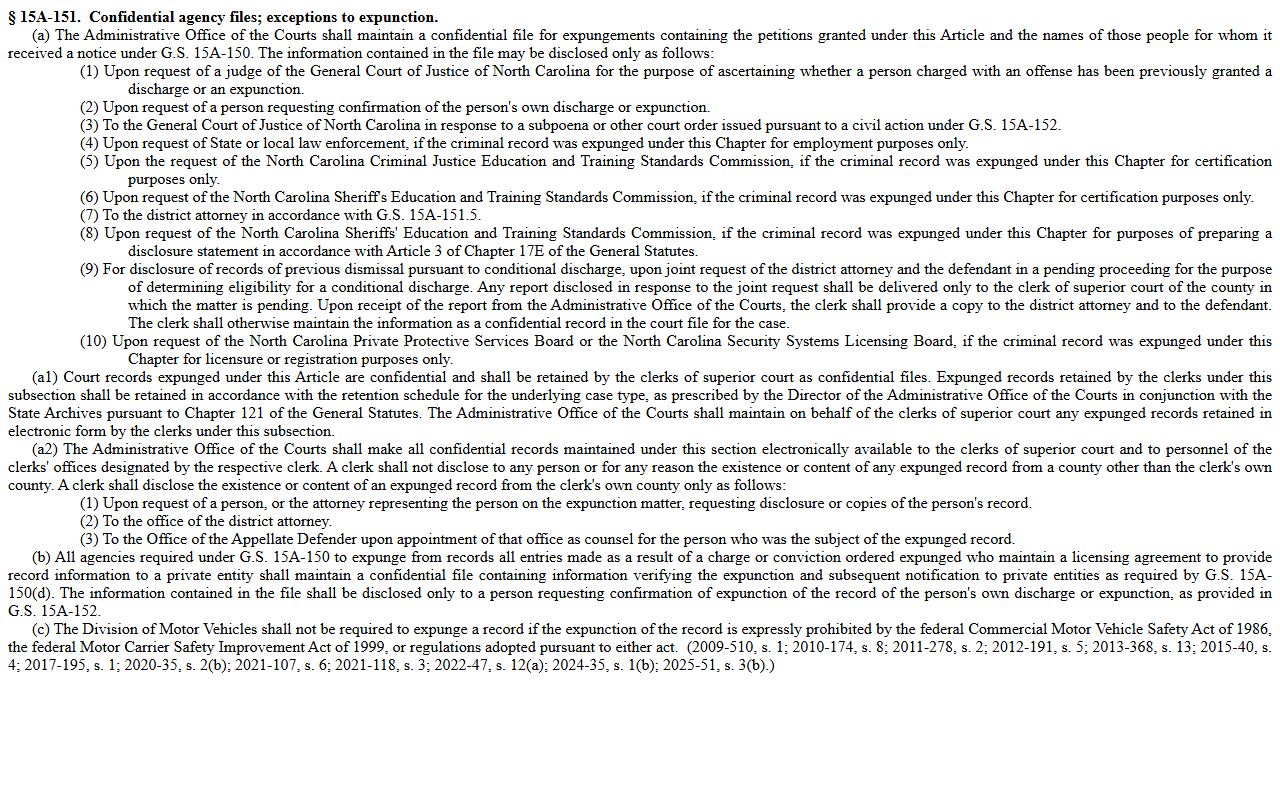
It supports the rule that expunged criminal records should not be treated like ordinary public case files.
Sentences, Costs, and Federal Cases
When a Lincoln County criminal case ends in conviction or another court-ordered outcome, the record may show sentence terms, probation, restitution, fines, court costs, and payment status. Eligible payments can be searched through Portal Make Payments by citation number, case number, party name, business name, or driver's license. For mail payments to the clerk, the Lincoln County payment instructions use the Clerk of Superior Court, Lincoln County Courthouse, PO Box 8, Lincolnton, NC 28093, and require a money order or certified check rather than cash or personal checks.
State and federal criminal records remain separate. The U.S. Attorney for the Western District of North Carolina prosecutes federal criminal cases, and those cases are not Lincoln County Superior Court or District Court files. Federal dockets use federal access channels, while local misdemeanors, felonies, infractions, traffic-criminal cases, and related state court matters use North Carolina court channels.
The U.S. Attorney's Office for the Western District of North Carolina is the federal prosecution source for the district that includes Lincoln County.
That source is relevant only when the criminal matter is federal, not when the case is a Lincoln County state court case.